How to Calculate Zakat on Business in Pakistan
Running a business in Pakistan comes with many responsibilities, and paying Zakat is an important one for eligible Muslim business owners. Whether you operate a small shop, wholesale business, clothing store, manufacturing unit, online business, or partnership firm, you may need to pay Zakat on your qualifying business wealth.
The standard Zakat rate is 2.5% when the relevant Nisab and other conditions are met. However, calculating business Zakat is different from calculating Zakat on personal cash or gold. You need to consider your stock, business cash, bank balances, customer payments, investments, and eligible business debts.
In this complete guide, we explain how to calculate Zakat on business in Pakistan, which assets are included, which items are exempt, and how to calculate the amount with practical examples.
What Is Zakat on Business?
Business Zakat is the Zakat payable on qualifying wealth owned through commercial activities. It generally applies to assets that are held for sale or trade, along with qualifying cash, receivables, and investments.
For example, if you own a clothing shop, your Zakat calculation may include:
- Clothes and other products held for sale.
- Cash in the shop.
- Money in business bank accounts.
- Payments customers owe you.
- Qualifying business investments.
However, not everything inside your business is subject to Zakat. Items such as machinery, shop furniture, computers, and vehicles used to operate the business are generally excluded if they are not held for resale.
The Punjab Zakat and Ushr Department provides an official calculator with a separate business section for stock-in-trade, saleable stock, credit sales, supplier payments, and bad debts.
What Is the Nisab for Business Zakat in Pakistan?
Nisab is the minimum amount of qualifying wealth required for Zakat to become obligatory, subject to the relevant Islamic conditions.
The commonly used Nisab benchmarks are:
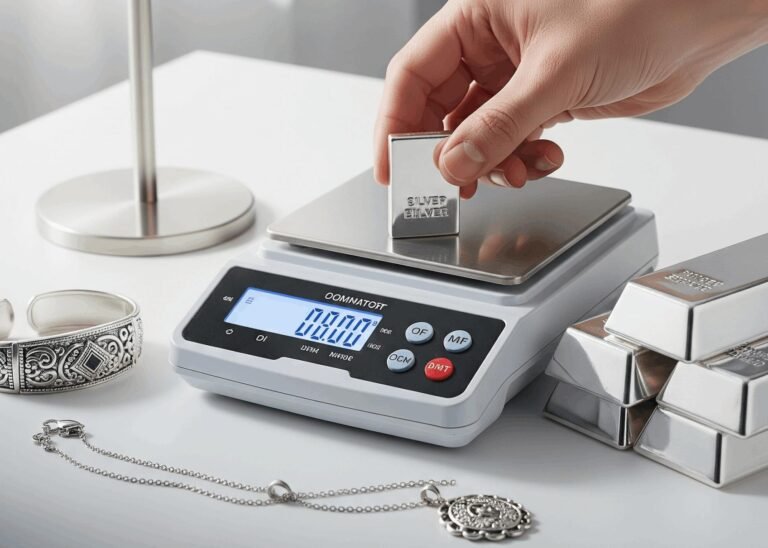
- Silver: 612.36 grams, approximately 52.5 tola.
- Gold: 87.48 grams, approximately 7.5 tola.
Under the commonly followed Hanafi approach in Pakistan, business wealth is generally combined with other qualifying personal assets when checking the Nisab. The silver benchmark is commonly used for cash and mixed assets.
The rupee value of Nisab changes as gold and silver prices change. Therefore, use the applicable value on your Zakat calculation date.
Remember that the official bank deduction threshold announced for a particular year is not automatically the personal Nisab for every business owner.
Which Business Assets Are Included in Zakat?
To calculate business Zakat correctly, you must identify your qualifying assets.
1. Business Stock and Inventory
Goods purchased or produced for resale are generally included in the Zakat calculation.
Examples include:
- Clothes in a clothing shop.
- Food products in a grocery store.
- Mobile phones in an electronics shop.
- Shoes and bags in a footwear business.
- Furniture held for sale.
- Products stored in a warehouse.
- Finished goods in a manufacturing business.
Use the current value of the stock on your Zakat calculation date. The Punjab Zakat Department calculator specifically includes the estimated value of saleable stock.
Damaged or unsaleable goods should not automatically be valued at their original purchase price. Estimate their realistic recoverable value, and consult a qualified scholar about stock that has become completely worthless.
2. Cash in the Business
Cash kept in your shop, office, warehouse, or business safe is generally included.
For example, if your business has Rs. 100,000 in cash on your Zakat date, add that amount to your other qualifying business assets.
3. Money in Business Bank Accounts
Business bank balances are generally included in the Zakat calculation.
You should consider qualifying money held in:
- Current accounts.
- Savings accounts.
- Business bank accounts.
- Other qualifying deposits.
If your bank has already deducted Zakat from an eligible account, keep the record and account for that payment when calculating your remaining obligation.
4. Money Customers Owe You
If customers purchase goods on credit, the money they owe you is known as a receivable.
For example, a shopkeeper sells products worth Rs. 200,000 on credit. If the shopkeeper reasonably expects to recover that money, it may need to be included in the Zakat calculation.
However, genuinely doubtful or unrecoverable debts may be treated differently. The Punjab Zakat calculator includes receivables from credit sales and provides a separate deduction for bad debts.
5. Raw Materials and Work in Progress
Manufacturing businesses may need to include qualifying raw materials and goods being produced for sale.
For example, a clothing factory may have fabric, unfinished garments, and finished clothes. The materials and products intended for commercial sale should be assessed according to their nature and the applicable Zakat rules.
Machinery and equipment used to manufacture products are generally not included merely because they are used in the business.
6. Business Investments
Qualifying business investments, shares, and other financial assets may also be included.
The calculation depends on the type of investment and whether it is held for trading, long-term income, or another purpose. Ask a qualified scholar if your business owns complex investments or shares.
Which Business Assets Are Exempt from Zakat?
Not every asset used by a business is Zakatable.
The following operating assets are generally excluded when they are used to run the business rather than held for sale:
| Business asset | General treatment |
|---|---|
| Shop building used by the owner | Generally exempt |
| Office furniture | Generally exempt |
| Computers used for work | Generally exempt |
| Factory machinery | Generally exempt |
| Delivery vehicles used by the business | Generally exempt |
| Shop equipment and tools | Generally exempt |
| Goods held for resale | Generally included |
| Business cash | Generally included |
| Collectible customer payments | Generally included |
For example, if you own a grocery shop, you generally do not calculate Zakat on the shelves, refrigerator, counter, or shop furniture used to operate it. You do, however, include qualifying goods held for sale and business cash.
Property purchased specifically for resale is different from a shop or warehouse used for business operations. Property held as a commercial investment may also require separate assessment.
How to Calculate Zakat on Business in Pakistan
You can calculate business Zakat using a simple method.
Step 1: Calculate the Value of Your Stock
Prepare a list of all goods held for sale on your annual Zakat date.
Use their current realistic market or saleable value rather than automatically using the original purchase price.
For example:
- Clothing inventory: Rs. 500,000.
- Shoes and accessories: Rs. 200,000.
- Other saleable products: Rs. 100,000.
Total stock value: Rs. 800,000.
Step 2: Add Business Cash and Bank Balances
Add all qualifying cash and bank balances.
Example:
- Cash in shop: Rs. 50,000.
- Business bank account: Rs. 150,000.
Total business cash: Rs. 200,000.
Step 3: Add Collectible Receivables
Include money owed by customers that you reasonably expect to recover.
Example:
- Credit sales receivable: Rs. 100,000.
- Other collectible business payments: Rs. 50,000.
Total receivables: Rs. 150,000.
Step 4: Deduct Eligible Business Liabilities
Certain direct and immediate business liabilities may be deducted, depending on the rules you follow.
Examples may include:
- Supplier payments currently due.
- Outstanding business bills.
- Eligible short-term business debts.
- Other direct payables not already deducted.
Do not automatically deduct the full outstanding balance of a long-term loan. The treatment of instalments and other liabilities can depend on the type of debt and the scholarly approach.
Step 5: Calculate Your Net Business Wealth
Use this formula:
Net Zakatable Business Wealth = Stock + Cash + Collectible Receivables + Other Qualifying Assets − Eligible Liabilities
Step 6: Apply the 2.5% Zakat Rate
If your qualifying wealth meets the applicable Nisab and other conditions, calculate 2.5%.
Business Zakat = Net Zakatable Wealth × 2.5 ÷ 100
You can also divide your net qualifying wealth by 40.
Practical Example: Zakat on a Business Worth Rs. 2 Million
Suppose you own a shop in Pakistan and have the following assets:
| Business assets | Amount |
|---|---|
| Saleable stock | Rs. 1,200,000 |
| Business cash | Rs. 200,000 |
| Bank balance | Rs. 300,000 |
| Collectible customer payments | Rs. 300,000 |
| Total assets | Rs. 2,000,000 |
Now suppose you have Rs. 400,000 in eligible supplier payments and other deductible liabilities.
| Calculation | Amount |
|---|---|
| Total qualifying assets | Rs. 2,000,000 |
| Eligible liabilities | Rs. 400,000 |
| Net qualifying wealth | Rs. 1,600,000 |
| Zakat rate | 2.5% |
| Zakat payable | Rs. 40,000 |
Therefore, the illustrative Zakat payable is Rs. 40,000, assuming the Nisab and other conditions are satisfied.
This example is for explanation only. Your actual calculation depends on the value and nature of your assets and liabilities.
How to Calculate Zakat for Different Types of Businesses
Different businesses may have different types of Zakatable assets.
Zakat on a Grocery Shop
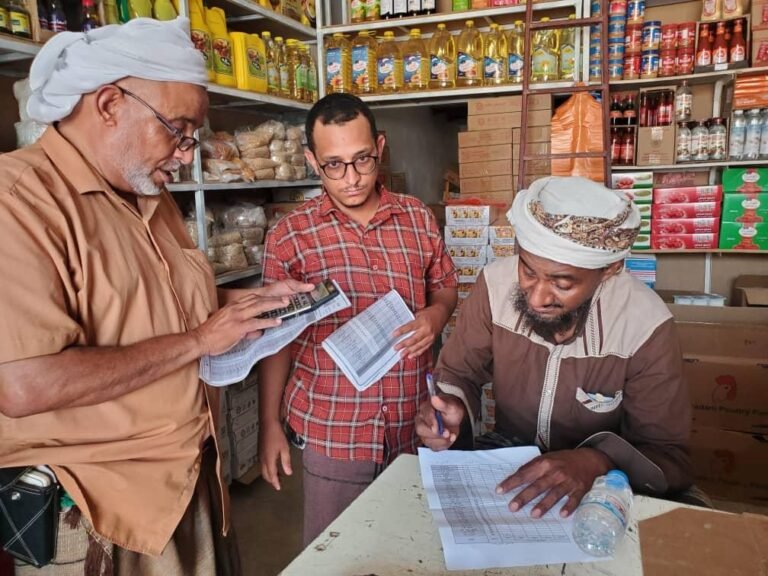
A grocery shop usually has many products held for sale.
Include:
- Food and grocery stock.
- Cash in the shop.
- Bank balances.
- Collectible customer credit payments.
Exclude operating equipment such as refrigerators, shelves, counters, and weighing machines.
Zakat on a Clothing Business
A clothing business should generally include its saleable clothing inventory, accessories, business cash, and collectible customer payments.
For example, if you have Rs. 1 million in clothing stock and Rs. 200,000 in cash and receivables, your qualifying business assets may total Rs. 1.2 million before eligible deductions.
Zakat on an Online Business
Online sellers may have stock stored at home, in a warehouse, or with a fulfilment company.
Include qualifying products held for sale, business cash, bank balances, and collectible payments from customers or online platforms.
The physical location of the stock does not automatically exempt it from Zakat.
Zakat on a Manufacturing Business
Manufacturing businesses should assess qualifying raw materials, work in progress, finished goods, cash, and collectible receivables.
Machines, factory buildings, tools, and other equipment used for production are generally excluded when they are not held for sale.
Zakat on a Service Business
A service business may not have physical inventory.
For example, a consultancy, marketing agency, or IT company may need to consider:
- Business cash.
- Bank balances.
- Collectible unpaid invoices.
- Qualifying investments.
Office furniture, computers, and equipment used to provide services are generally excluded.
How Is Zakat Calculated for a Partnership Business?
If you own a business with one or more partners, your Zakat calculation should reflect your own share of qualifying business wealth.
For example, suppose a partnership has net qualifying business wealth of Rs. 4,000,000.
If you own 25% of the business, your illustrative share is:
Rs. 4,000,000 × 25% = Rs. 1,000,000.
At 2.5%, the illustrative Zakat on that share is Rs. 25,000, provided the relevant conditions are met.
The Punjab Zakat Department calculator has a separate section for shares in partnership firms. It asks users to consider capital balances, loans advanced to the firm, withdrawals, and accumulated profits.
Partnership agreements and accounting records can affect the calculation, so consult a qualified scholar and accountant if ownership or profit-sharing arrangements are complicated.
When Should Business Owners Pay Zakat?
Zakat is generally calculated once a lunar year has passed while the relevant conditions are fulfilled.
Many business owners select a fixed Islamic date each year to assess their wealth. Some choose the first day of Ramadan because it is easy to remember.
On that date, prepare a record of:
- Saleable inventory.
- Business cash.
- Bank balances.
- Collectible receivables.
- Other qualifying investments.
- Eligible liabilities.
- Personal qualifying assets, where relevant.
A lunar year is approximately 354 days, shorter than the Gregorian calendar year.
For a business with changing stock levels, use the value on the Zakat calculation date rather than the highest stock balance recorded during the year.
Common Mistakes When Calculating Business Zakat
Business owners sometimes make mistakes that lead to incorrect Zakat calculations.
Avoid these common problems:
- Including all business equipment: Machinery, furniture, and tools used for operations are generally excluded.
- Ignoring unsold inventory: Goods held for resale are generally included.
- Forgetting customer receivables: Collectible credit sales may be Zakatable.
- Ignoring business bank accounts: Qualifying business cash should be included.
- Deducting every loan in full: Only eligible liabilities should be deducted.
- Using the original stock purchase price automatically: Assess the stock’s realistic value on the calculation date.
- Calculating only business assets: Your personal qualifying wealth may also matter when checking Nisab.
- Forgetting partnership ownership: Calculate your own share rather than automatically paying Zakat on the entire partnership’s wealth.
Frequently Asked Questions
What is the Zakat rate on business in Pakistan?
The standard Zakat rate is 2.5% of net qualifying wealth when the Nisab and other conditions are met.
Is Zakat payable on business stock?
Yes. Goods held for sale or trade are generally included in business Zakat calculations.
Is Zakat payable on shop furniture and machinery?
Generally, no. Furniture, machinery, computers, and equipment used to operate the business are not included if they are not held for resale.
Is Zakat payable on money customers owe me?
Collectible customer payments are generally included. Genuinely doubtful or unrecoverable debts may have different treatment.
Can I deduct supplier payments from business Zakat?
Eligible supplier payables and direct liabilities may be deducted. The exact treatment depends on their due dates and the scholarly rules you follow.
Do small businesses have to pay Zakat?
A small business may have to pay Zakat if its owner’s qualifying wealth reaches the applicable Nisab and the other conditions are met. Business size alone does not determine the obligation.
Do I calculate personal and business Zakat separately?
You can keep separate records for convenience, but your personal and business qualifying wealth may need to be considered together when checking Nisab.
Conclusion
Calculating Zakat on business in Pakistan becomes easier when you understand which assets are included and which are exempt. Business stock held for sale, cash, bank balances, collectible customer payments, and qualifying investments are generally included in the calculation.
Operating assets such as shop furniture, machinery, computers, and vehicles used for business are generally excluded when they are not held for resale. Eligible liabilities may be deducted before applying the standard 2.5% rate.
Keep accurate business records, value your stock on your annual Zakat date, and check the applicable Nisab. If you own a partnership, have long-term loans, or operate a business with complex investments, consult a qualified Islamic scholar for a calculation that matches your circumstances.
About the Author