Zakat on Cash and Bank Savings in Pakistan: Complete Guide
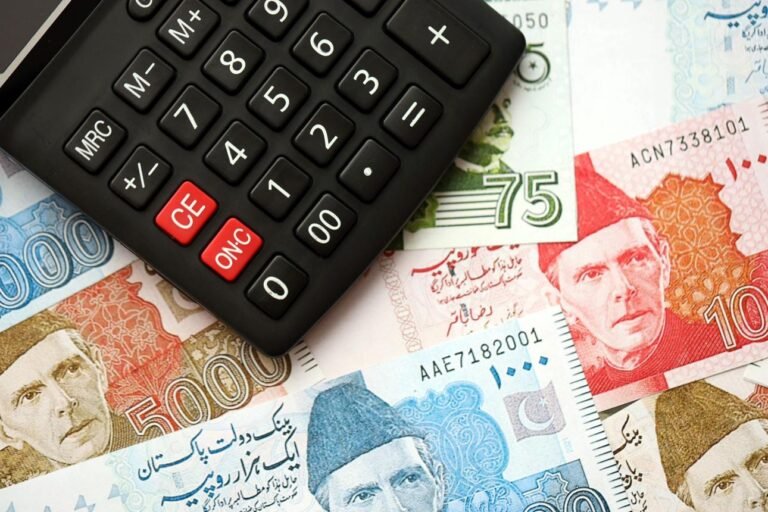
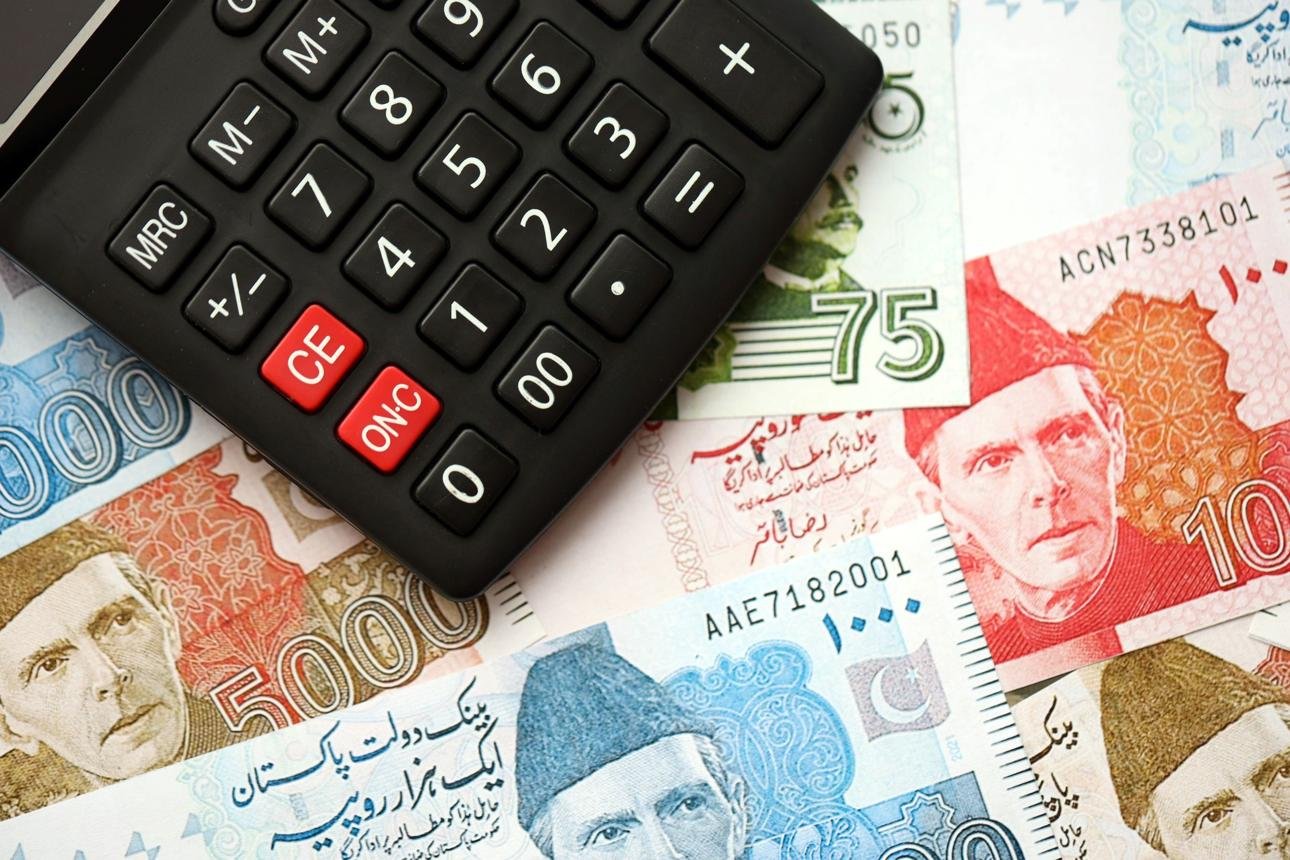
Cash savings and money kept in bank accounts are generally included when calculating Zakat in Pakistan. Whether you keep money at home, in a savings account, or in a fixed deposit, you may need to include it in your Zakat calculation if your total qualifying wealth reaches the applicable Nisab and the other conditions are met.
The standard Zakat rate is 2.5%. However, the calculation can be confusing when you have multiple bank accounts, money set aside for expenses, debts, or Zakat already deducted by your bank. This guide explains how to calculate Zakat on cash and bank savings in Pakistan, with simple examples.
What Is Zakat on Cash and Bank Savings?
Zakat is an obligatory payment for eligible Muslims who own wealth above the applicable Nisab and meet the relevant conditions.
Cash and savings are generally considered Zakatable wealth. This can include money kept in your wallet, at home, in a bank account, or in certain savings and investment products.
The Zakat rate is normally 2.5% of your qualifying wealth.
For example, if your total qualifying cash and savings are Rs. 1,000,000, your Zakat calculation would be:
- Total qualifying wealth: Rs. 1,000,000
- Zakat rate: 2.5%
- Zakat payable: Rs. 25,000
This is a simple example. Your actual calculation may also include gold, silver, investments, business stock, and other qualifying assets.
What Is the Nisab for Zakat in Pakistan?
Nisab is the minimum amount of qualifying wealth a person must own for Zakat to become obligatory, subject to the relevant Islamic conditions.
The traditional Nisab benchmarks are:
- Gold Nisab: 87.48 grams of gold, approximately 7.5 tola.
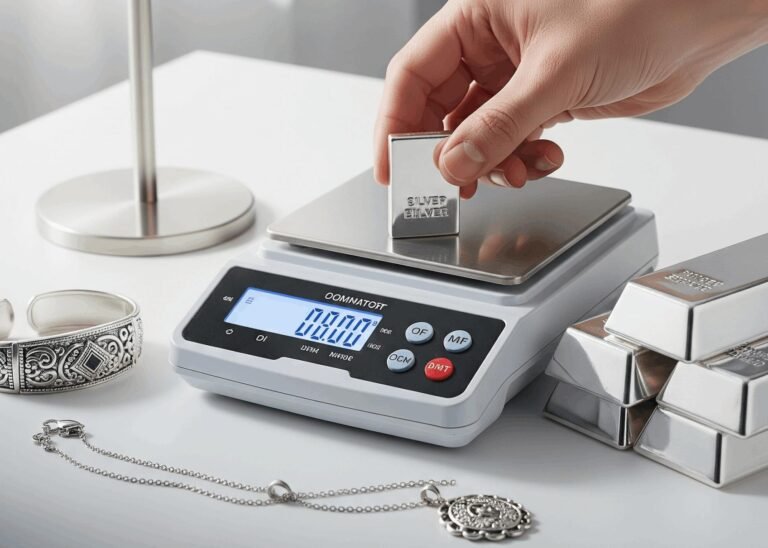
- Silver Nisab: 612.36 grams of silver, approximately 52.5 tola.
The applicable benchmark can depend on the type of wealth you own and the Islamic school of thought you follow. Under the commonly followed Hanafi approach, cash, gold, silver, and other qualifying assets are generally combined, and the silver Nisab is commonly used.
Pakistan’s Official Bank Deduction Nisab for 2026
For the Zakat year 1446–1447 AH, the Government of Pakistan notified Rs. 503,529 as the Nisab for automatic Zakat deduction from specified bank accounts.
The notification was issued on February 16, 2026. It applied to eligible accounts with a balance of Rs. 503,529 or more on the first day of Ramadan 1447 AH.
Important: Rs. 503,529 is the official threshold for the specified automatic bank deduction in that Zakat year. It should not automatically be treated as the universal personal Nisab for every individual Zakat calculation. Personal Zakat assessment may require checking the relevant gold or silver benchmark and your combined assets.
Which Bank Accounts Are Included in Zakat?
Different types of accounts may be treated differently for automatic deduction under Pakistan’s Zakat system. However, for personal Zakat assessment, qualifying balances should generally be considered.
1. Savings Accounts
Money in a savings account is generally included in your Zakat calculation.
For example, if you have Rs. 600,000 in a savings account and meet the relevant Nisab and other conditions, this amount may be subject to Zakat.
Pakistan’s official bank deduction system also covers specified savings and profit-and-loss-sharing accounts.
2. Current Accounts
Current account balances should not automatically be ignored when calculating personal Zakat.
The Punjab Zakat Department’s calculator separately lists cash held in current accounts and savings accounts. This is useful when preparing a complete personal calculation.
3. Fixed Deposits
Money invested in fixed deposits or similar products may also be included, depending on the ownership, accessibility, and product structure.
For example, if you have Rs. 500,000 in a fixed deposit and Rs. 300,000 in another qualifying account, consider the relevant balances together when assessing your Zakat.
Some financial products have specific rules, so check their terms and ask a qualified scholar if necessary.
4. Foreign Currency Accounts
If you keep money in a foreign currency account, its value should generally be converted into Pakistani rupees for your personal Zakat calculation.
Use the applicable exchange rate on your Zakat valuation date.
5. Cash at Home
Cash kept at home is also included in your Zakat calculation.
For example, if you have Rs. 100,000 in your house and Rs. 400,000 in your bank accounts, your combined cash is Rs. 500,000 before adding other qualifying assets or deducting eligible liabilities.
How to Calculate Zakat on Cash and Bank Savings
You can calculate Zakat by following these simple steps.
Step 1: Add All Your Cash
First, calculate the total cash you own.
Include:
- Cash in your wallet.
- Money kept at home.
- Cash stored in a personal safe.
- Money held in other accessible places.
Step 2: Add All Bank Balances
Check your bank statements or mobile banking applications.
Include qualifying balances from:
- Savings accounts.
- Current accounts.
- Fixed deposits.
- Foreign currency accounts.
- Other qualifying deposits and savings products.
Make sure you do not count the same money twice if you have transferred it between accounts.
Step 3: Add Other Zakatable Assets
Cash is not always your only qualifying wealth.
You may also need to include:
- Gold and silver.
- Qualifying investments and shares.
- Business stock held for sale.
- Recoverable loans.
- Other qualifying financial assets.
Step 4: Deduct Eligible Liabilities
Certain immediate debts and liabilities may be deducted according to the Islamic rules you follow.
For example, eligible outstanding bills or debts currently due may affect your net Zakatable wealth. Not every future expense or long-term financial commitment can automatically be deducted in full.
Ask a qualified scholar if you have a mortgage, business loan, or complicated debt arrangement.
Step 5: Calculate 2.5%
Once you have calculated your net qualifying wealth and confirmed that the relevant Nisab conditions are met, calculate 2.5%.
Formula:
Zakat = Net qualifying wealth × 2.5 ÷ 100
For example:
- Cash at home: Rs. 100,000
- Savings account: Rs. 500,000
- Current account: Rs. 200,000
- Other qualifying savings: Rs. 200,000
- Total qualifying wealth: Rs. 1,000,000
Zakat:
Rs. 1,000,000 × 2.5% = Rs. 25,000
Examples of Zakat on Different Savings Amounts
The following table shows how much Zakat would be payable at 2.5%, assuming the amounts are qualifying wealth and the Nisab and other conditions are satisfied.
| Qualifying savings | Zakat at 2.5% |
|---|---|
| Rs. 100,000 | Rs. 2,500 |
| Rs. 200,000 | Rs. 5,000 |
| Rs. 300,000 | Rs. 7,500 |
| Rs. 500,000 | Rs. 12,500 |
| Rs. 750,000 | Rs. 18,750 |
| Rs. 1,000,000 | Rs. 25,000 |
| Rs. 2,000,000 | Rs. 50,000 |
| Rs. 5,000,000 | Rs. 125,000 |
These figures are examples of the 2.5% calculation, not a statement that every listed amount independently meets Nisab.
Does the Bank Automatically Deduct Zakat in Pakistan?
Yes, Pakistan has a system under which designated banks and financial institutions automatically deduct Zakat from certain eligible accounts.
The State Bank of Pakistan issued BPRD Circular Letter No. 03 of 2026 on February 17, 2026, forwarding the government’s Nisab notification for the relevant Zakat year.
For 1446–1447 AH, automatic deduction applied to specified savings, profit-and-loss-sharing, and similar accounts with a balance of Rs. 503,529 or more on the notified deduction date.
However, automatic deduction does not mean every type of account is treated in the same way.
For example:
- Some eligible savings and PLS accounts may be subject to deduction at source.
- Current accounts are not necessarily covered by the same automatic deduction procedure.
- Foreign currency accounts and other products can have different statutory treatment.
- Your personal Zakat responsibility may include assets that the bank does not automatically assess.
If you want to know whether your account is covered, contact your bank and ask for its Zakat deduction policy.
What If Your Bank Has Already Deducted Zakat?
If your bank has already deducted Zakat, keep the transaction record or bank statement as proof.
You should then include that payment when working out your remaining personal Zakat obligation.
For example:
- Total personal Zakat liability: Rs. 30,000
- Zakat already deducted by your bank: Rs. 10,000
- Remaining amount: Rs. 20,000
This example assumes the bank deduction is validly credited against your personal Zakat obligation. Check the treatment with a qualified scholar if the deduction relates to a different asset or calculation period.
Do not simply ignore your other qualifying assets because your bank has deducted Zakat from one account.
When Should You Pay Zakat on Savings?
Zakat is generally calculated once every lunar year when the relevant conditions are met.
Many people choose a fixed Islamic date each year to review their wealth. On that date, they calculate their qualifying assets, check their liabilities, and determine the amount payable.
For example, if you first became eligible for Zakat on the 1st of Ramadan, you may use that date as your annual Zakat calculation date, subject to the rules applicable to your circumstances.
A lunar year is approximately 354 days, so it is shorter than the Gregorian calendar year.
If your savings increase during the year, you generally do not need to calculate a separate full year for every deposit under the commonly followed approach. However, details can differ depending on whether you fall below Nisab during the year and which school of thought you follow.
Common Mistakes to Avoid When Calculating Zakat
People sometimes make mistakes when calculating Zakat on bank savings. Avoid these common problems:
- Counting only one bank account: Add all relevant accounts and cash holdings.
- Ignoring cash at home: Money kept outside a bank can still be Zakatable.
- Using an outdated Nisab: Check the relevant Nisab for your calculation and distinguish it from the bank deduction threshold.
- Forgetting gold and investments: Include other qualifying assets when required.
- Using the wrong date: Assess your wealth on your annual Zakat valuation date.
- Double counting transfers: Moving money between accounts does not create additional wealth.
- Assuming bank deduction covers everything: Automatic deduction may apply only to specified assets and accounts.
Frequently Asked Questions
Is Zakat payable on money in a Pakistani bank account?
Generally, yes. Qualifying money in savings, current, and other bank accounts should be considered in your personal Zakat calculation when the applicable conditions are met.
Is Zakat deducted automatically from every bank account in Pakistan?
No. Automatic deduction applies to specified accounts under the government rules. Different account types may receive different treatment.
What was the bank deduction Nisab in Pakistan for 2026?
The notified Nisab for automatic deduction from specified eligible accounts in the Zakat year 1446–1447 AH was Rs. 503,529.
Do I have to pay Zakat on cash kept at home?
Yes, cash kept at home is generally included in your personal Zakat calculation if you meet the applicable conditions.
Do I have to pay Zakat on money saved for my children’s education or marriage?
Money saved for future education, marriage, or other personal purposes is generally included in Zakatable wealth if it remains your qualifying wealth. Its intended use does not automatically make it exempt.
Can I deduct my monthly expenses from my savings?
You may deduct eligible immediate liabilities according to the rules you follow. However, you cannot automatically subtract every expected future expense from your Zakat calculation.
What is the Zakat rate on savings in Pakistan?
The standard rate is 2.5% of qualifying wealth when the relevant Nisab and other conditions are satisfied.
Conclusion
Zakat on cash and bank savings in Pakistan is an important responsibility for eligible Muslims. Money in savings accounts, current accounts, fixed deposits, foreign currency accounts, and cash kept at home may need to be included in your personal Zakat calculation.
The standard rate is 2.5%, but you should first check the applicable Nisab, add your qualifying assets, and consider eligible liabilities.
Remember that the Rs. 503,529 Nisab notified for 2026 was specifically used for automatic deduction from certain eligible bank accounts. It is not automatically the personal Nisab for every individual calculation.
Keep your bank statements, check the current rules, and consult a qualified Islamic scholar if your savings include complicated investments, debts, or financial products. A careful calculation can help you fulfil your Zakat responsibility correctly.
About the Author