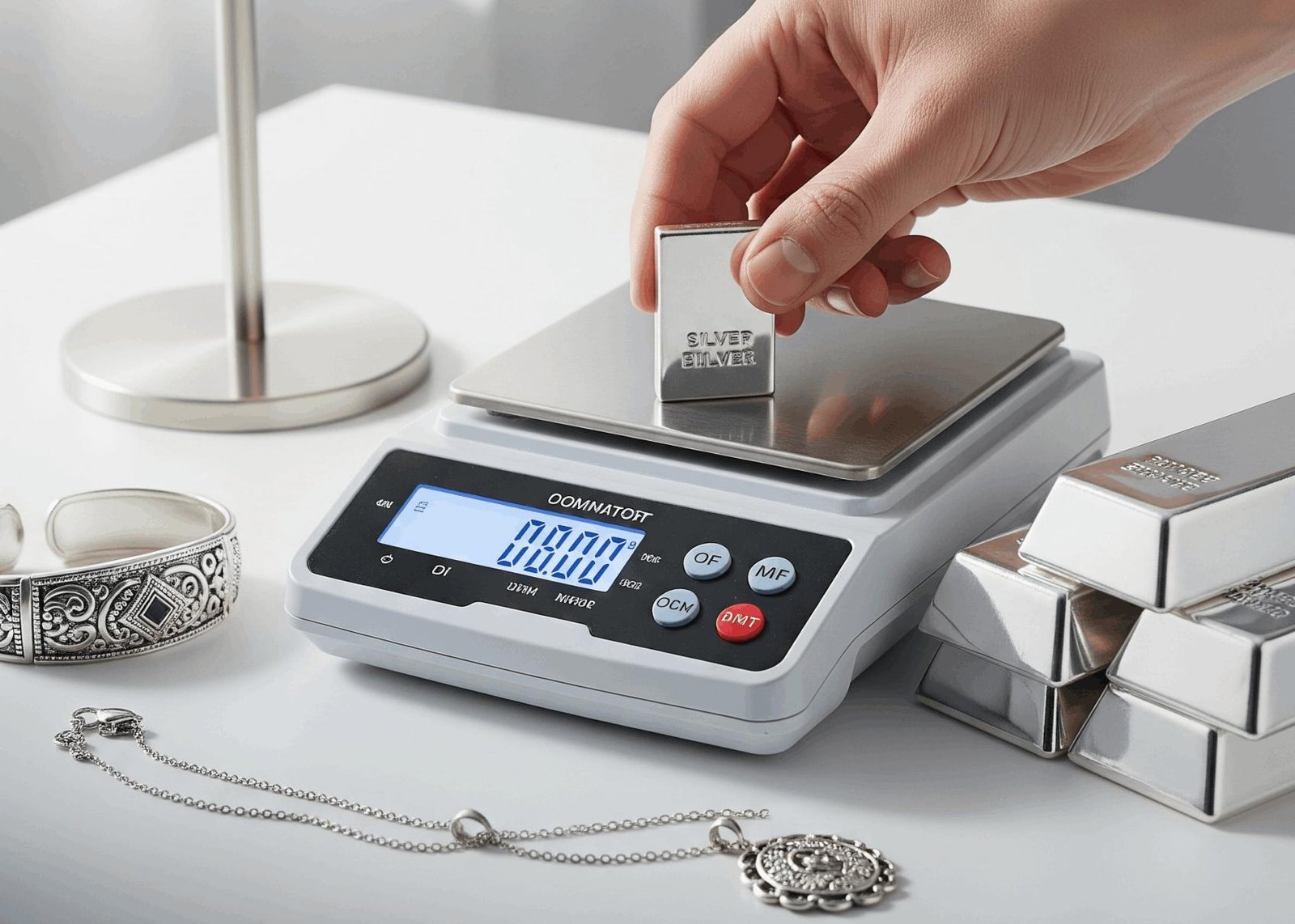
Zakat on Silver in Pakistan: Nisab, Calculation and Rules
Silver plays an important role in Zakat calculations in Pakistan because it is used as one of the traditional benchmarks for determining the Nisab. If you own silver jewellery, coins, bars, or other silver items, you may need to include their value when calculating your annual Zakat.
The standard Zakat rate is 2.5% of qualifying wealth when the required conditions are met. But how much silver makes Zakat compulsory? Does silver jewellery count? And how do you calculate Zakat using current silver prices in Pakistan? This guide explains the Nisab, calculation method, and important rules in simple English.
What Is the Silver Nisab in Pakistan?
Nisab is the minimum amount of qualifying wealth a Muslim must own before Zakat becomes obligatory, subject to the relevant conditions.
The commonly used silver Nisab is:
- 612.36 grams of silver
- 52.5 tola of silver
- Approximately 1.35 pounds of silver
If you own at least this amount of silver and meet the other conditions, Zakat may become obligatory.
In Pakistan, many Hanafi scholars use the silver Nisab when assessing cash and mixed wealth, such as savings, gold, silver, and business assets. However, the appropriate Nisab can depend on the type of wealth and the scholarly opinion you follow.
The Shaukat Khanum Zakat Calculator also identifies 612.36 grams of silver as the silver Nisab benchmark.
How Much Silver Is Exempt from Zakat?
If silver is your only qualifying asset, the commonly used silver threshold is 612.36 grams.
For example:
- 200 grams of silver: below the silver Nisab.
- 400 grams of silver: below the silver Nisab.
- 500 grams of silver: below the silver Nisab.
- 612.36 grams of silver: reaches the silver Nisab.
- 700 grams of silver: above the silver Nisab.
However, this does not mean that owning less than 612.36 grams of silver always makes you exempt.
If you also own cash, gold, bank savings, investments, or other qualifying assets, their values may be combined under the Hanafi approach. Your total wealth may therefore reach the silver Nisab even when your silver alone is below 612.36 grams.
Is Zakat Payable on Silver Jewellery?
Yes, under the commonly followed Hanafi school, Zakat is generally payable on silver jewellery, including items used for personal decoration.
Examples include:
- Silver rings.
- Silver bracelets.
- Silver necklaces.
- Silver earrings.
- Silver bangles.
- Silver chains.
- Silver coins and bars.
The Punjab Zakat Department’s official calculator specifically includes silver jewellery, household silver utensils, and decorative silver items in its calculation.
There are differences of opinion among Islamic schools regarding jewellery used personally. If you follow a different school of thought, ask a qualified scholar about the ruling that applies to your situation.
How to Calculate Zakat on Silver in Pakistan
The standard Zakat rate is 2.5% of the qualifying market value.
Follow these steps to calculate your Zakat correctly.
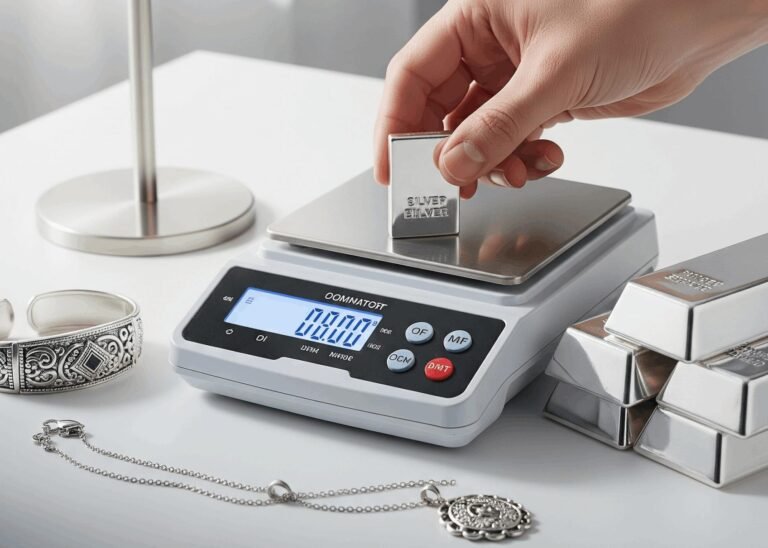
Step 1: Weigh Your Silver
First, find the total weight of your silver jewellery, coins, utensils, or other silver possessions.
You can visit a trusted jeweller to check the weight. If you own several silver items, list them separately and add their qualifying silver content.
Step 2: Check Silver Purity
Silver items may have different levels of purity.
Common examples include:
- Fine silver: 99.9% silver.
- Sterling silver: 92.5% silver.
- Silver utensils: purity can vary, and some household utensils contain around 90% silver.
For example, if you own a 100-gram sterling silver item, its approximate pure silver content is:
100 × 92.5% = 92.5 grams.
The actual purity should be confirmed where possible.
Step 3: Check the Current Silver Price
Silver prices in Pakistan change regularly. Use the current market value on your Zakat calculation date rather than the price you originally paid.
Ask a reputable jeweller for the current silver buying or market rate applicable to your item.
Step 4: Calculate the Market Value
Use this formula:
Silver value = Qualifying silver weight × Current price per gram
For example:
- Silver weight: 500 grams.
- Silver purity: 99.9%.
- Example silver price: Rs. 250 per gram.
- Approximate silver value: Rs. 124,875.
This is an illustrative price, not a verified current market quotation.
Step 5: Calculate 2.5% Zakat
Once you have the qualifying market value, calculate 2.5%.
Zakat = Total qualifying wealth × 2.5 ÷ 100
For example, if your qualifying silver and other assets have a combined value of Rs. 1,000,000:
Rs. 1,000,000 × 2.5% = Rs. 25,000
Remember that the Nisab test must also be satisfied.
Examples of Zakat on Different Silver Amounts
The following examples assume the silver is pure and use an illustrative rate of Rs. 250 per gram. Actual silver prices change, so replace this rate with the market price on your Zakat date.
| Silver weight | Illustrative value | 2.5% of value |
|---|---|---|
| 100 grams | Rs. 25,000 | Rs. 625 |
| 200 grams | Rs. 50,000 | Rs. 1,250 |
| 300 grams | Rs. 75,000 | Rs. 1,875 |
| 400 grams | Rs. 100,000 | Rs. 2,500 |
| 500 grams | Rs. 125,000 | Rs. 3,125 |
| 612.36 grams | Rs. 153,090 | Rs. 3,827.25 |
| 700 grams | Rs. 175,000 | Rs. 4,375 |
| 1,000 grams | Rs. 250,000 | Rs. 6,250 |
These figures show 2.5% of the silver’s value. They do not mean Zakat is automatically payable on every amount shown. The Nisab and other conditions must be checked using your total qualifying wealth.
Does Zakat Apply to Silver Utensils and Household Items?
Under the Hanafi approach, silver utensils and household items made from silver are generally included in Zakat calculations.
Examples include:
- Silver spoons.
- Silver plates.
- Silver bowls.
- Silver cups.
- Silver decorative pieces.
- Silver serving sets.
If an item is made from a mixture of metals, the actual silver content and applicable scholarly rules should be considered.
The Punjab Zakat Department calculator advises that household silver utensils are often around 90% pure, so the silver content should be estimated rather than automatically treating the full weight as pure silver.
What If You Own Silver Along with Gold and Cash?
Many people in Pakistan own different types of wealth. They may have silver jewellery, gold ornaments, bank savings, cash at home, and investments.
Under the commonly followed Hanafi approach, qualifying assets are generally combined when assessing whether the silver Nisab has been reached.
For example:
- Silver value: Rs. 100,000.
- Gold value: Rs. 500,000.
- Cash at home: Rs. 100,000.
- Bank savings: Rs. 300,000.
- Total qualifying wealth: Rs. 1,000,000.
If the relevant Nisab and other conditions are met, the illustrative Zakat at 2.5% would be Rs. 25,000 before eligible deductions.
This is why you should calculate your overall qualifying wealth instead of looking at silver alone.
When Should You Pay Zakat on Silver?
Zakat is generally calculated after one lunar year has passed while the relevant conditions are fulfilled.
A lunar year is approximately 354 days, which is shorter than the Gregorian calendar year.
Many people choose a fixed Islamic date each year to calculate their Zakat. On that date, they assess their silver, gold, cash, bank balances, investments, and other qualifying assets.
If the silver price increases or decreases, use its market value on your Zakat valuation date.
If you have missed payments in previous years, consult a qualified scholar about estimating the outstanding Zakat.
Can You Pay Zakat on Silver in Cash?
Yes. Zakat on silver can generally be paid using its cash equivalent.
For example, if your Zakat obligation on qualifying silver is Rs. 5,000, you can generally pay Rs. 5,000 in cash to eligible Zakat recipients instead of giving away physical silver.
You may also pay Zakat in the form of qualifying silver, subject to the rules you follow.
Make sure your payment reaches someone eligible to receive Zakat.
Common Mistakes to Avoid
When calculating Zakat on silver, avoid these mistakes:
- Ignoring silver jewellery: Under Hanafi guidance, personal-use silver jewellery is generally included.
- Using the purchase price: Use the relevant current market value on your Zakat date.
- Ignoring purity: Calculate the actual silver content of mixed-metal items.
- Checking silver alone: Include other qualifying assets where required.
- Using an outdated Nisab: Check the applicable silver threshold and current market prices.
- Forgetting household silver: Silver utensils and decorative items may also be included under Hanafi guidance.
- Confusing bank Nisab with personal Nisab: The government’s automatic bank deduction threshold is not necessarily the same as the Nisab used for your personal Zakat calculation.
Frequently Asked Questions
What is the silver Nisab in Pakistan?
The commonly used silver Nisab is 612.36 grams, equal to approximately 52.5 tola.
How much silver is exempt from Zakat?
If silver is your only qualifying asset, owning less than 612.36 grams is generally below the silver Nisab. However, other qualifying wealth may bring your total above the threshold.
Is Zakat payable on silver jewellery?
According to the Hanafi school, Zakat is generally payable on silver jewellery, including jewellery used personally.
What is the Zakat rate on silver?
The standard rate is 2.5% of qualifying wealth when the Nisab and other conditions are met.
Is Zakat payable on silver utensils?
Under the Hanafi approach, silver utensils and other household silver items are generally included in the calculation.
Should I use the purchase price or current silver price?
Use the current market value on your Zakat calculation date rather than the original purchase price.
Can I pay Zakat on silver in Pakistani rupees?
Yes. You can generally pay the cash equivalent of the Zakat due on your qualifying silver.
Conclusion
Zakat on silver in Pakistan is an important responsibility for Muslims who own qualifying wealth. The commonly used silver Nisab is 612.36 grams, or 52.5 tola, and the standard Zakat rate is 2.5%.
Silver jewellery, coins, bars, utensils, and decorative items may be included in the calculation under Hanafi guidance. If you also own gold, cash, bank savings, or investments, you may need to combine their values when checking the Nisab.
Always check silver purity, use the current market price, and calculate your total qualifying wealth carefully. If you are unsure about personal jewellery, mixed-metal items, or debts, consult a qualified Islamic scholar before making your final calculation.
About the Author