Who Is Eligible to Receive Zakat in Islam?
Zakat is one of the five pillars of Islam and an important way to support people who are facing financial difficulties. Every eligible Muslim who meets the required wealth conditions must pay Zakat to those who qualify to receive it. However, many people have questions about who can receive Zakat, whether relatives are eligible, and whether Zakat can be given to someone who is poor but does not openly ask for help.
Islam provides clear guidance about Zakat recipients in the Quran. Surah At-Tawbah, verse 60, identifies eight categories of people who may receive Zakat. Understanding these categories helps Muslims distribute their Zakat correctly and ensure that it reaches people who genuinely qualify.
What Does the Quran Say About Zakat Recipients?
The Quran identifies eight categories of eligible Zakat recipients in Surah At-Tawbah (9:60).
These categories are:
- The poor (Al-Fuqara).
- The needy (Al-Masakin).
- Zakat administrators (Al-Amilina Alayha).
- People whose hearts are to be reconciled (Al-Muallafatu Qulubuhum).
- People in bondage or seeking freedom (Fir-Riqab).
- People burdened by debt (Al-Gharimin).
- Those working in the cause of Allah (Fi Sabilillah).
- Stranded travellers (Ibn Al-Sabil).
These categories form the foundation of Zakat distribution in Islam. The exact application of some categories can differ among Islamic schools of jurisprudence.
1. Poor People (Al-Fuqara)
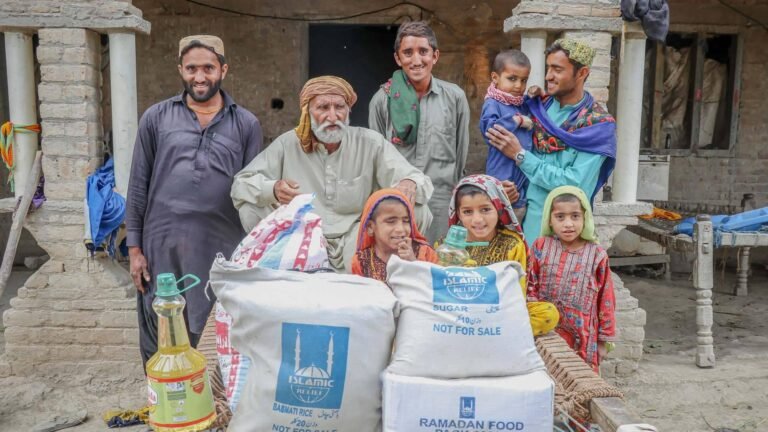
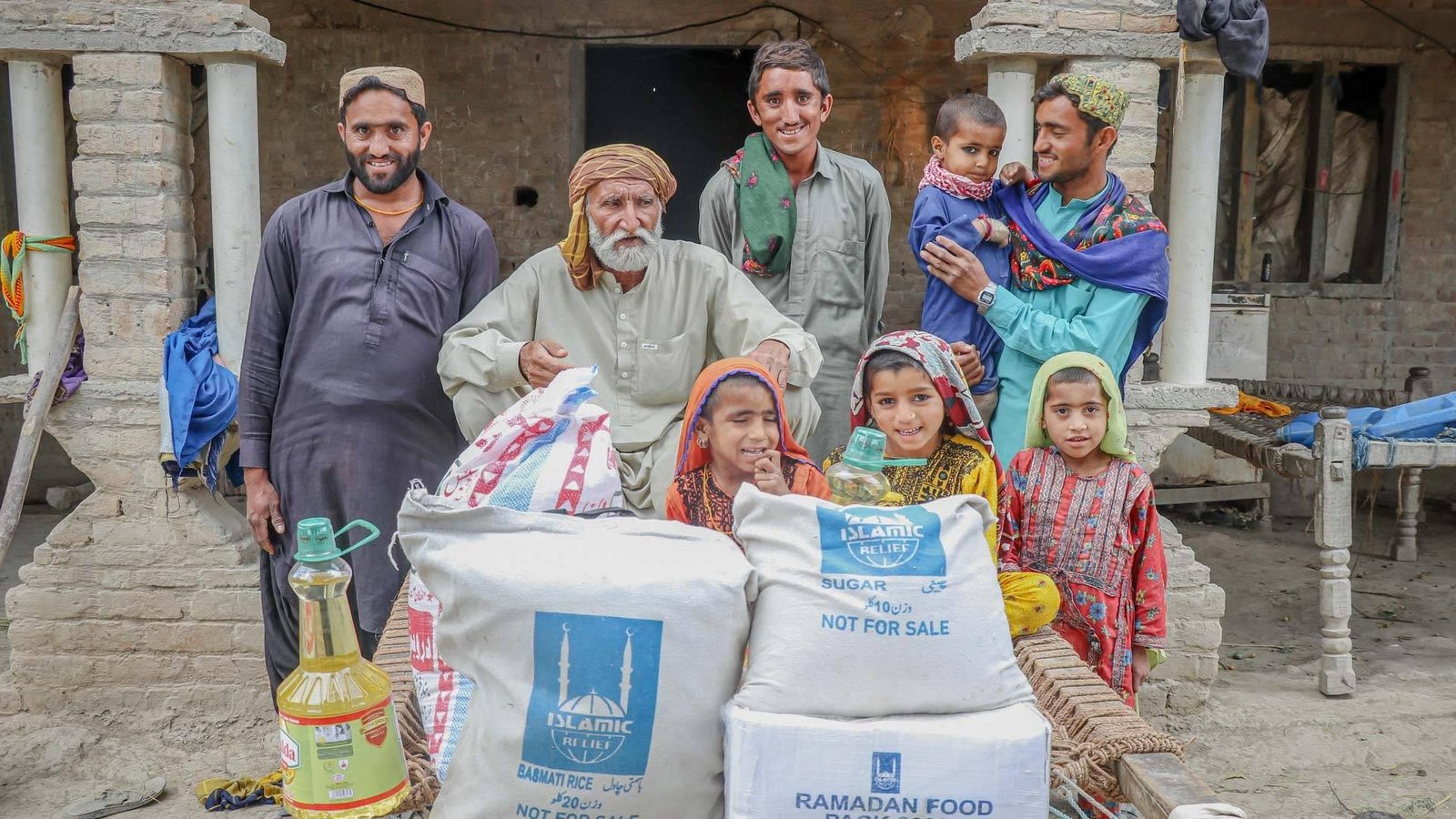
Poor people are among the main recipients of Zakat. They may have little or no income and cannot afford their basic living expenses.
Examples include:
- Families who cannot afford regular meals.
- People without sufficient income for daily needs.
- Widows with limited financial support.
- Orphans who lack adequate financial care.
- People who cannot afford essential clothing or shelter.
A person does not need to beg or publicly ask for help to qualify. If someone is genuinely poor and meets the relevant conditions, they may receive Zakat.
For example, a family in Pakistan earning a very small monthly income may struggle to pay rent, buy food, and cover school expenses. If their available wealth is below the applicable Nisab and they meet the recipient conditions, they may qualify for Zakat.
2. Needy People (Al-Masakin)
The second category includes needy people who may have some income or resources but still cannot meet their essential needs.
For example:
- A daily-wage worker whose income is insufficient.
- An elderly person without adequate financial support.
- A family struggling to afford basic healthcare.
- A person whose income does not cover necessary household expenses.
The terms poor and needy are explained differently by scholars, but both categories refer to people experiencing financial hardship.
When assessing someone, consider their actual financial situation rather than judging them by their appearance, clothing, or possessions.
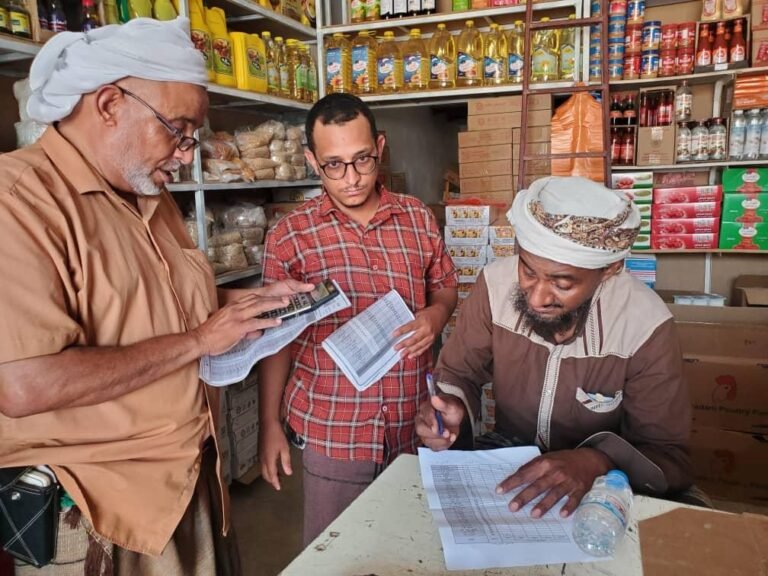
3. Zakat Administrators (Al-Amilina Alayha)
Islam also recognizes people appointed to collect, manage, and distribute Zakat.
These individuals are known as Zakat administrators. Their work may include:
- Collecting Zakat payments.
- Maintaining Zakat records.
- Identifying eligible recipients.
- Managing distribution.
- Handling official Zakat administration duties.
This category applies to authorized Zakat workers under the relevant Islamic rules. It does not mean that anyone who helps distribute money can automatically take a share of Zakat.
4. People Whose Hearts Are to Be Reconciled (Al-Muallafatu Qulubuhum)
This category refers to people whose hearts may be reconciled or strengthened toward Islam, according to recognized Islamic interpretations.
Classical scholars discussed different situations in which Zakat could be given under this category, including certain people whose support could benefit the Muslim community.
There are differences of opinion about how this category applies today. Some scholars consider it relevant in particular circumstances, while others discuss its application differently.
For this reason, Zakat should only be distributed under this category after consulting a qualified Islamic scholar.
5. People in Bondage or Seeking Freedom (Fir-Riqab)
The Quran includes people in bondage among the eligible Zakat categories.
Historically, this category was used to help enslaved people obtain freedom.
In modern discussions, scholars have considered how the principle may apply to people facing forms of captivity or severe restrictions. However, its practical application depends on recognized Islamic interpretation and the circumstances involved.
Ask a qualified scholar before distributing Zakat under this category.
6. People Burdened by Debt (Al-Gharimin)
People who have serious debts and cannot repay them may qualify for Zakat.
Examples include:
- A person who borrowed money for essential household needs.
- Someone facing unavoidable medical expenses.
- A person unable to repay a legitimate debt.
- Someone whose financial situation has become difficult because of unexpected losses.
However, not every person with a loan automatically qualifies. Their financial position, the nature of the debt, and their ability to repay it must be considered.
For example, a person in Pakistan who borrowed Rs. 300,000 for essential medical treatment and has no realistic means of repayment may qualify, depending on their overall wealth and the relevant rules.
7. Those Working in the Cause of Allah (Fi Sabilillah)
The Quran also identifies Fi Sabilillah as a Zakat category.
Scholars differ over its precise scope. Classical interpretations commonly discuss particular forms of service and struggle in the cause of Allah. Some contemporary scholars have considered additional applications, while others maintain a narrower interpretation.
It should not automatically be assumed that every religious, charitable, educational, or community project qualifies for Zakat.
Before giving Zakat to an organization or project under this category, ask a qualified scholar whether the intended use meets the rules you follow.
8. Stranded Travellers (Ibn Al-Sabil)
A stranded traveller may qualify for Zakat even if they normally have money or property at home.
This category refers to someone who is travelling and has lost access to the money needed to continue their journey or return home.
Examples include:
- A traveller who has lost their wallet.
- Someone whose money has been stolen.
- A person stranded in another city without enough money for transport.
- A traveller unable to access their bank funds during an emergency.
For example, a person travelling from Lahore to Karachi may lose their money and be unable to pay for food or a return ticket. They may qualify for Zakat under this category if the relevant conditions are met.
Can You Give Zakat to Your Relatives?
Yes, giving Zakat to eligible relatives can be a good way to support family members who genuinely need financial assistance.
However, some relatives cannot receive your obligatory Zakat because you are already responsible for their financial maintenance under Islamic rules.
Relatives Who May Receive Zakat
Depending on their financial situation and the applicable conditions, eligible recipients may include:
- Brothers and sisters.
- Uncles and aunts.
- Nephews and nieces.
- Cousins.
- Other extended family members.
Helping an eligible relative can support both the recipient and family relationships.
Relatives Who Generally Cannot Receive Your Zakat
Under the commonly followed Hanafi rules, you generally cannot give your obligatory Zakat to:
- Your parents and grandparents.
- Your children and grandchildren.
- Your spouse.
These are close relatives for whom financial maintenance obligations apply or who are excluded under the relevant rules.
The detailed ruling can differ by relationship and Islamic school, so consult a qualified scholar if you are unsure.
Can You Give Zakat to Orphans?
Yes, an orphan may receive Zakat if they meet the eligibility conditions.
Being an orphan alone does not automatically make someone eligible. Their financial position and ownership of wealth must also be considered.
For example, an orphan who has no sufficient financial support and does not own wealth above the applicable Nisab may qualify.
You can give Zakat directly to an eligible orphan or through a trustworthy organization that distributes it according to Islamic rules.
Can You Give Zakat to Someone Who Has a Job?
Yes. Having a job does not automatically make someone ineligible for Zakat.
A person may earn a salary but still be unable to meet essential living expenses. For example, a worker may have a low income and support a large family while struggling with rent, food, and medical bills.
Eligibility depends on the person’s overall financial circumstances, qualifying assets, and the applicable Nisab rules.
Do not judge eligibility only by whether someone is employed.
Can You Give Zakat to Students?
A student may receive Zakat if they meet the requirements of an eligible category, such as poverty or genuine financial hardship.
For example, a student who cannot afford necessary food, accommodation, or education-related living expenses may qualify.
However, simply attending school, college, or university does not automatically make someone eligible.
If you want to support an educational institution, scholarship fund, or student program using Zakat, confirm that the distribution method meets the requirements of the Islamic school you follow.
Who Cannot Receive Zakat?
Not everyone is eligible to receive obligatory Zakat.
Under commonly followed Hanafi guidance, the following restrictions are important:
- A wealthy person who owns qualifying wealth above Nisab generally cannot receive Zakat as a poor or needy person.
- Your parents, grandparents, children, and grandchildren generally cannot receive your obligatory Zakat.
- Your spouse generally cannot receive your obligatory Zakat under Hanafi rules.
- Zakat cannot ordinarily be used to pay for general projects without meeting the rules for an eligible recipient.
- Zakat cannot be given to someone simply because they are a friend or acquaintance if they do not qualify.
There are additional jurisprudential details, including rules concerning certain family relationships and the status of recipients. Consult a qualified scholar if a particular case is unclear.
Can You Give Zakat Directly to Someone in Need?
Yes. You can give Zakat directly to an eligible person.
For example, you may provide Zakat to a poor family, a person burdened by debt, or a stranded traveller.
In the commonly followed Hanafi approach, ownership of the Zakat amount must be transferred to an eligible recipient, a principle known as Tamleek. This means that simply spending Zakat money on a general service or project may not fulfil the requirement.
When donating through a charity, check whether it distributes Zakat to eligible recipients in a manner that follows the rules you observe.
How to Make Sure Your Zakat Reaches the Right People
Before distributing Zakat, follow these practical steps:
- Understand the person’s financial situation: Consider their income, necessary expenses, debts, and available wealth.
- Check the recipient category: Confirm that they fall into one of the eight categories identified in the Quran.
- Protect their privacy: Avoid embarrassing people or publicly identifying them as Zakat recipients.
- Choose a trustworthy charity: If using an organization, check its Zakat collection and distribution procedures.
- Keep a payment record: Maintain a simple record of the amount and date.
- Ask a scholar when uncertain: Complicated cases should be reviewed by someone qualified in Islamic jurisprudence.
Frequently Asked Questions
Who are the eight eligible recipients of Zakat?
The eight categories are the poor, the needy, Zakat administrators, people whose hearts are to be reconciled, people in bondage, debtors, those working in the cause of Allah, and stranded travellers.
Can I give Zakat to my brother or sister?
Yes, if your brother or sister genuinely qualifies as an eligible recipient and meets the relevant conditions.
Can I give Zakat to my parents?
Under the commonly followed Hanafi rules, obligatory Zakat cannot generally be given to parents or grandparents.
Can I give Zakat to my son or daughter?
Generally, no. Under Hanafi rules, obligatory Zakat cannot be given to your children or grandchildren.
Can I give Zakat to a poor student?
Yes, if the student qualifies under an eligible category, such as poverty or genuine financial hardship.
Can a person with a job receive Zakat?
Yes. A person with a job may still qualify if their income and available weal
About the Author