Zakat on Gold in Pakistan: How Much Gold Is Exempt?
Gold is one of the most common forms of savings in Pakistan. Many families keep gold jewellery for weddings, emergencies, and long-term financial security. However, an important question comes up every year: How much gold is exempt from Zakat in Pakistan, and when do you have to pay 2.5% Zakat on gold?
The answer depends on the amount and type of gold you own, the applicable Nisab, how long you have owned it, and the Islamic ruling you follow. In this guide, we explain the basic rules in easy English, with practical examples to help you understand how Zakat on gold is calculated in Pakistan.
How Much Gold Is Exempt from Zakat in Pakistan?
The commonly used gold Nisab in Pakistan is 87.48 grams of gold, equal to approximately 7.5 tola. If gold is your only qualifying asset and you own less than this amount, you generally do not have to pay Zakat on it under the gold-Nisab calculation.
However, there is an important difference between the gold Nisab and the silver Nisab.
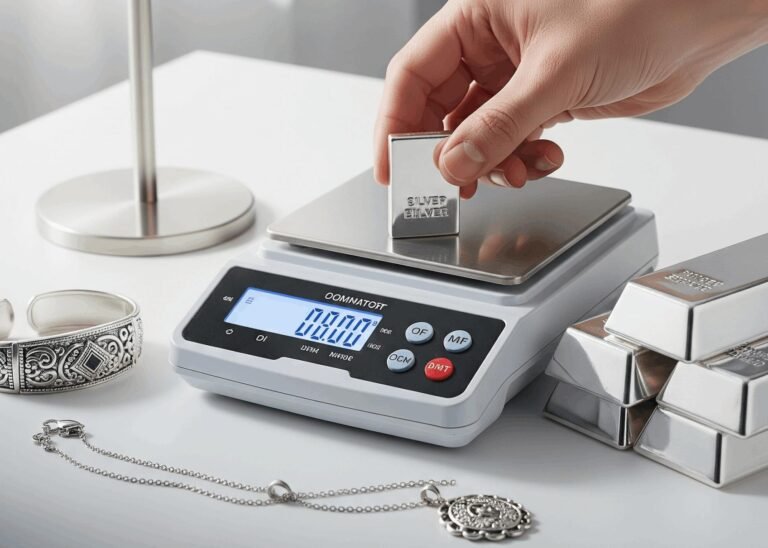
Under the commonly followed Hanafi approach, if you own gold along with cash, silver, savings, or other Zakatable assets, their values are generally combined. Many Hanafi scholars use the silver Nisab of 612.36 grams of silver, or 52.5 tola, to determine whether your combined wealth reaches the minimum threshold.
This means that owning less than 7.5 tola of gold does not automatically make you exempt from Zakat. Your savings and other qualifying assets may bring your total wealth above the applicable Nisab.
For example:
- You own 5 tola of gold.
- You also have Rs. 200,000 in savings.
- You own some silver and other qualifying investments.
Your total Zakatable wealth must be calculated before deciding whether Zakat is due.
For a detailed explanation, see the Shaukat Khanum Zakat Calculator.
Is Zakat Payable on Gold Jewellery Used by Women?
This is one of the most frequently asked questions in Pakistani households.
Many women own gold bangles, necklaces, earrings, rings, and other jewellery. Some wear these items regularly, while others keep them safely stored for special occasions.
According to the Hanafi school of Islamic jurisprudence, which is widely followed in Pakistan, Zakat is generally payable on gold and silver jewellery, even when it is used for personal decoration.
Under this approach, the purpose of owning the jewellery does not automatically exempt it from Zakat.
However, scholars from other Islamic schools have different rulings. Some exempt ordinary personal-use jewellery from Zakat when it is within customary limits.
Therefore, it is important to follow the guidance of a qualified scholar from the school of thought you follow. You can read an explanation of the Hanafi position in this Darul Iftaa Chicago guidance.
How to Calculate Zakat on Gold in Pakistan
The standard Zakat rate on qualifying gold wealth is 2.5%, provided the relevant Nisab and other conditions are met.
To calculate Zakat correctly, follow these steps:
Step 1: Weigh Your Gold
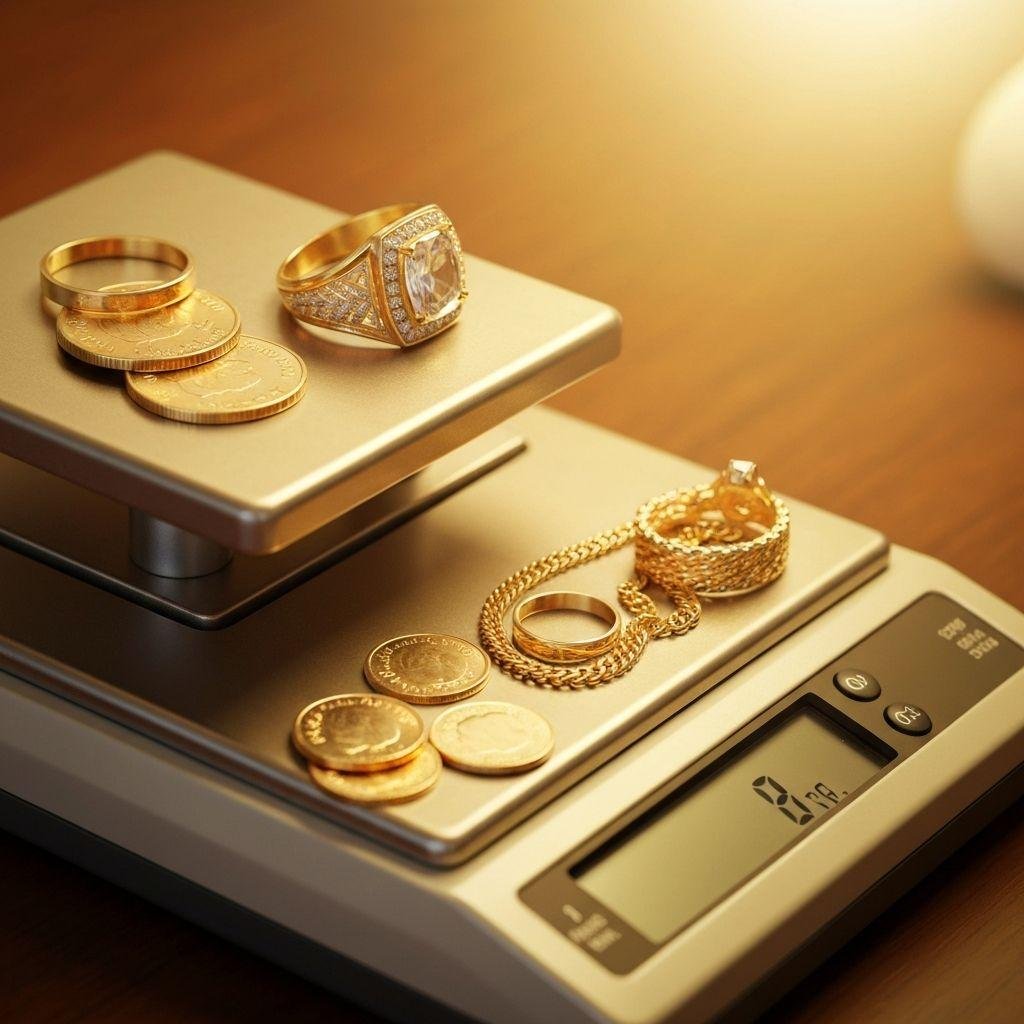
First, find the total weight of your gold jewellery, coins, or other gold items.
You can visit a trusted jeweller to get an accurate measurement. Make sure you know the actual gold content, especially if your jewellery contains other metals.
Step 2: Check the Gold Purity
Gold jewellery is available in different purity levels, such as:
- 24-karat gold: Almost pure gold.
- 22-karat gold: Approximately 91.67% gold.
- 21-karat gold: Approximately 87.5% gold.
- 18-karat gold: Approximately 75% gold.
For example, a 10-gram 22-karat gold item contains approximately 9.17 grams of pure gold.
Ask your jeweller for the actual gold content and current market value. Do not assume that every jewellery item is 24-karat gold.
Step 3: Find the Current Market Value
Gold prices in Pakistan change regularly. Therefore, you should use the market value on your Zakat calculation date rather than an old purchase price.
For example, if your qualifying gold is worth Rs. 1,000,000 on your Zakat date, calculate 2.5% of that value.
Step 4: Calculate 2.5% Zakat
Use this simple formula:
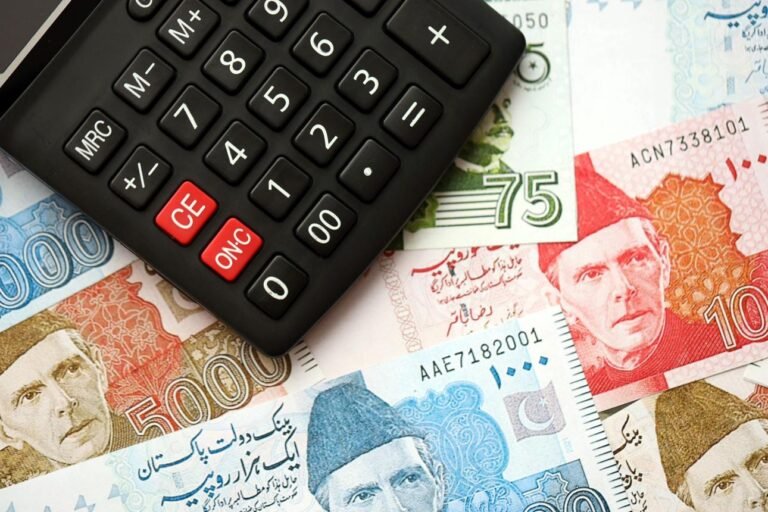
Zakat = Total qualifying wealth × 2.5 ÷ 100
For example:
- Gold value: Rs. 1,000,000
- Zakat rate: 2.5%
- Zakat payable: Rs. 25,000
You can also use the Punjab Zakat Department Calculator, which includes options for different gold purities and other assets.
Example: Zakat on 5, 7.5, and 10 Tola Gold
The following table shows how the calculation works if the gold’s total market value is already known.
| Gold value | Zakat at 2.5% |
|---|---|
| Rs. 500,000 | Rs. 12,500 |
| Rs. 750,000 | Rs. 18,750 |
| Rs. 1,000,000 | Rs. 25,000 |
| Rs. 1,500,000 | Rs. 37,500 |
| Rs. 2,000,000 | Rs. 50,000 |
These are examples, not fixed amounts for 5, 7.5, or 10 tola. The actual value depends on the gold’s weight, purity, and market rate.
Remember that Zakat is generally calculated on your total qualifying wealth, not just the amount of gold above the Nisab.
What Gold Items Are Included in Zakat?
Under the Hanafi approach, qualifying gold and silver are generally included in Zakat calculations.
Common examples include:
- Gold necklaces and chains.
- Gold bangles and bracelets.
- Gold earrings and rings.
- Gold coins and bars.
- Gold jewellery kept in lockers.
- Gold saved for future use.
- Gold purchased as an investment.
If your jewellery contains diamonds or other precious stones, the gold content should be assessed separately. Stones held for personal decoration are generally treated differently from gold, although commercial inventory and investment items can have separate rules.
The Punjab Zakat Department Calculator provides separate entries for gold jewellery, silver, cash, and other assets.
Does Zakat Apply Every Year on Gold?
Yes. If you meet the Nisab requirements and the relevant lunar-year condition, Zakat is generally due each year.
For example, suppose you own qualifying gold and other wealth above the Nisab when your Zakat year begins. When your annual Zakat date arrives, calculate your qualifying wealth again and pay 2.5%, after considering eligible deductions.
Gold prices may increase or decrease during the year. For this reason, use the current market value on your Zakat calculation date rather than the original purchase price.
If you have missed Zakat payments in previous years, ask a qualified scholar how to estimate and pay the outstanding amounts.
What If You Own Gold Along with Cash and Savings?
Many people in Pakistan own gold as well as cash, bank savings, investments, or business assets.
In such cases, calculating Zakat only on gold may give you an incomplete result.
Your overall calculation may include:
- Gold and silver.
- Cash kept at home.
- Money in bank accounts.
- Qualifying investments and shares.
- Business stock held for sale.
- Loans you expect to recover.
Eligible debts and liabilities may be deducted according to the applicable rules.
For example, imagine you have:
- Gold worth Rs. 800,000.
- Cash and bank savings of Rs. 300,000.
- Other qualifying investments worth Rs. 100,000.
Your total qualifying assets are Rs. 1,200,000 before eligible deductions.
At 2.5%, the illustrative Zakat amount would be Rs. 30,000, assuming the Nisab and other conditions are satisfied.
Important Zakat Rules for Gold Owners in Pakistan
Before paying Zakat, keep these points in mind:
- Check the Nisab: Determine whether your total qualifying wealth reaches the applicable minimum threshold.
- Use current gold prices: Calculate the value using the market rate on your Zakat date.
- Check purity: The value of 22-karat and 24-karat gold is different.
- Include jewellery where required: Under Hanafi guidance, personal-use gold jewellery is generally Zakatable.
- Calculate every lunar year: Reassess your wealth when your annual Zakat date arrives.
- Avoid double counting: If Zakat has already been deducted from an eligible bank account, account for that payment when calculating what remains due.
Pakistan’s Zakat and Ushr Ordinance, 1980 also lists gold and silver among assets subject to self-assessed Zakat at 2.5%. You can read the relevant legislation through the Pakistan Code official website.
Frequently Asked Questions
Is 7.5 tola gold exempt from Zakat in Pakistan?
No. Approximately 7.5 tola, or 87.48 grams, is commonly used as the gold Nisab. If your qualifying wealth reaches the applicable threshold and the other conditions are met, Zakat may be due.
Do I have to pay Zakat on gold that I wear daily?
According to the Hanafi school, Zakat is generally payable on personal-use gold jewellery. Other Islamic schools have different rulings, so follow qualified scholarly guidance.
Is Zakat payable on 5 tola gold?
If gold is your only qualifying asset and you use the gold Nisab, 5 tola is below the commonly used 7.5-tola threshold. However, your cash, savings, silver, and other qualifying assets may bring your total wealth above the Nisab.
Should I calculate Zakat using the purchase price or today’s gold price?
Generally, use the current market value of the qualifying gold on your Zakat calculation date, not the original purchase price.
What is the Zakat rate on gold in Pakistan?
The standard rate is 2.5% of qualifying wealth when the Nisab and other conditions are met.
Conclusion
Understanding Zakat on gold in Pakistan is important for anyone who owns gold jewellery, coins, or investment gold. The commonly used gold Nisab is 87.48 grams, equal to approximately 7.5 tola. However, if you also own cash, savings, silver, or other qualifying assets, you may need to calculate your combined wealth using the applicable Nisab.
Under Hanafi guidance, even gold jewellery worn for personal use is generally included in Zakat calculations. The usual rate is 2.5% of qualifying wealth.
Always check the current gold price, calculate your total assets carefully, and consult a qualified Islamic scholar if your situation involves different schools of thought, inherited jewellery, shared ownership, or complicated debts. Paying Zakat correctly helps you fulfil an important religious responsibility and support people who need assistance.
About the Author