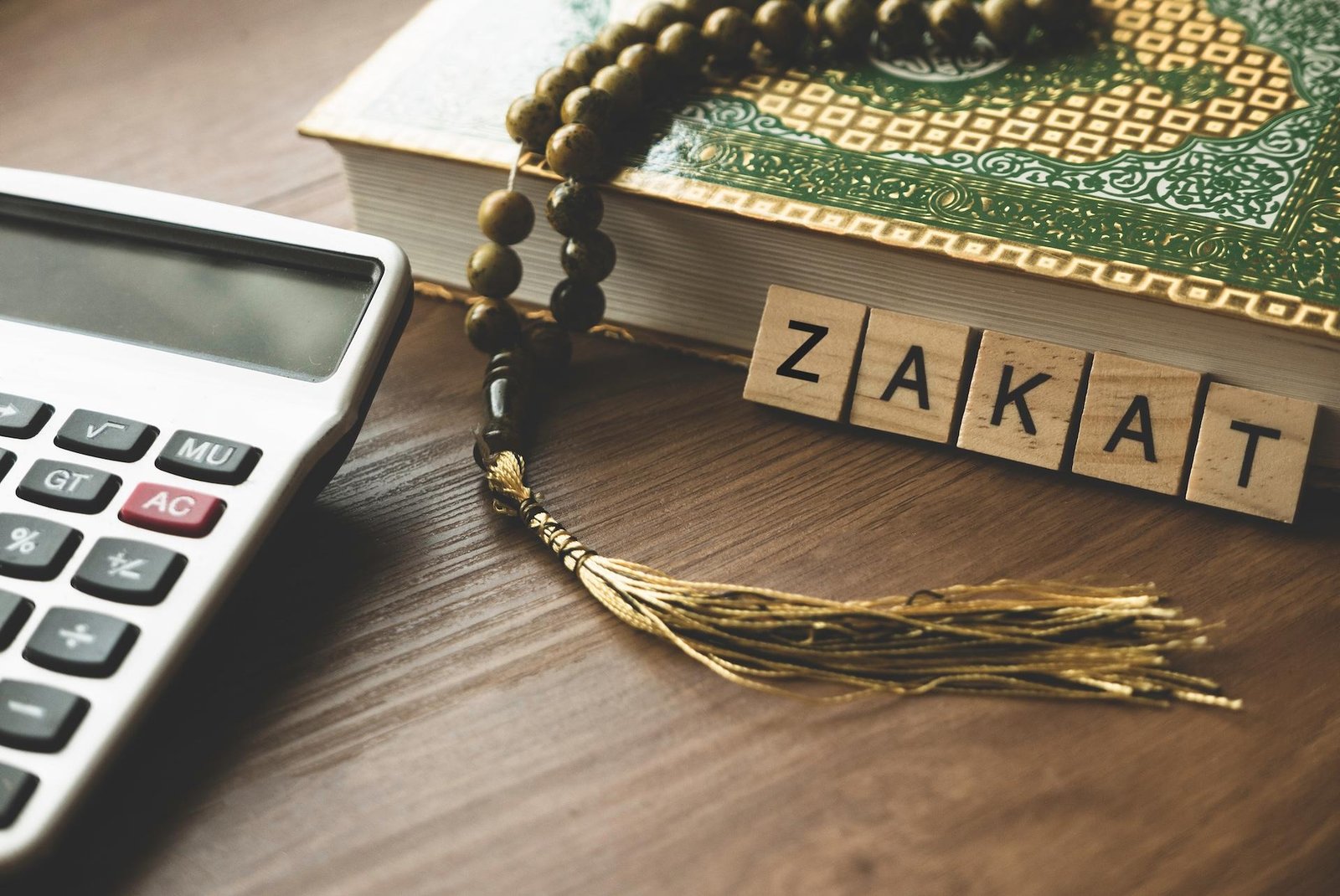
# How to Calculate Zakat in Pakistan: Complete Guide for 2026
Zakat is one of the five pillars of Islam and an important responsibility for Muslims who have qualifying wealth. It helps support people in need and encourages Muslims to share their wealth with deserving members of society. However, many people in Pakistan are unsure how to calculate Zakat on their savings, gold, silver, bank accounts, investments, and business assets.
Understanding **how to calculate Zakat in Pakistan in 2026** can help you work out the amount you may need to pay and avoid common calculation mistakes. The general Zakat rate on qualifying wealth is 2.5%, but you must first understand Nisab, which assets are included, and which liabilities may be deducted.
This complete guide explains the basic calculation, the official 2026 bank deduction threshold, practical examples, and common questions. Islamic rulings can differ on certain details, so consult a qualified scholar if you need guidance according to your school of thought.
## What Is Zakat?
Zakat is an obligatory form of charity in Islam for Muslims who meet the relevant conditions of wealth and eligibility. The word Zakat is associated with purification and growth. It encourages Muslims to share part of their qualifying wealth with people who are entitled to receive it.
In general, Zakat on qualifying savings and wealth is calculated at 2.5% after the applicable Nisab conditions are met. The calculation normally relates to a lunar year, rather than simply counting 365 days.
In Pakistan, Zakat is also collected through a government system under the Zakat and Ushr Ordinance, 1980. Banks may deduct Zakat automatically from certain eligible accounts on the notified date. However, automatic bank deductions do not necessarily cover all the assets a person owns. Individuals may still need to calculate Zakat on their other qualifying wealth.
## What Is Nisab for Zakat in Pakistan in 2026?
Nisab is the minimum qualifying amount of wealth that determines whether Zakat becomes obligatory, subject to the applicable Islamic conditions.
The Zakat and Ushr Ordinance, 1980 refers to a Nisab based on the value of 612.32 grams of silver. It also specifies 87.48 grams of gold in the particular case where a person’s Zakat-liable assets consist only of gold.
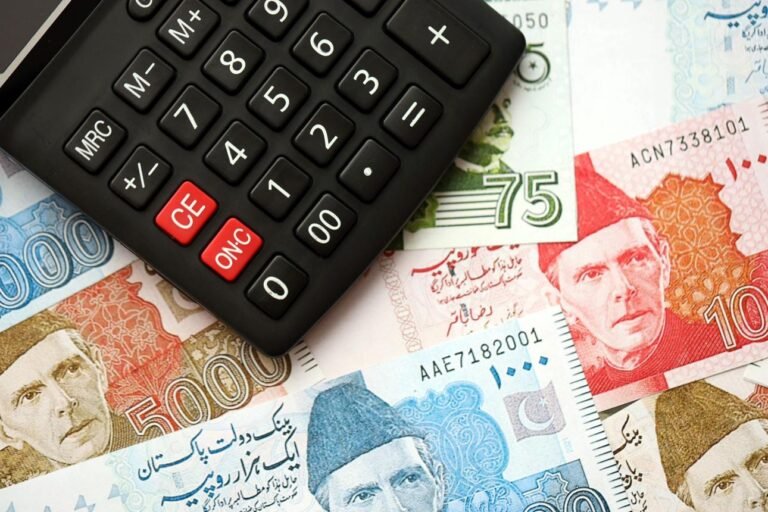
For 2026, the Government of Pakistan notified **Rs. 503,529** as the Nisab for automatic Zakat deduction from specified bank accounts for the Zakat year 1446–1447 AH. The notification was issued on February 16, 2026, and applied to the first day of Ramadan, which was the bank deduction date.
**Important:** Rs. 503,529 is the official threshold for the specified bank deductions. It should not automatically be treated as the market value of the silver Nisab for every personal Zakat calculation. For a personal calculation, consider the applicable Nisab, the current market value of the relevant gold or silver weight, and the guidance of a qualified scholar.
The government notifies a new bank deduction Nisab for each Zakat year, so the 2026 figure should not be assumed to apply to Ramadan 2027.
## Which Assets Are Included in Zakat?
Before calculating Zakat, prepare a list of your qualifying assets. The following are common categories to consider.
### 1. Gold and Silver
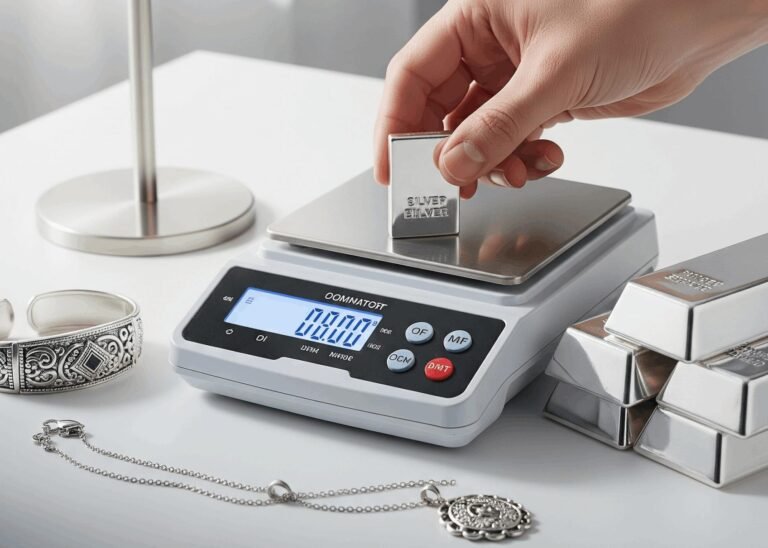
Gold and silver are important parts of many Zakat calculations. If you own gold jewellery, coins, bars, or silver items, their relevant market value may need to be included.
For example, a person who owns gold jewellery should determine its weight, purity, and current market value. The value should be calculated using an appropriate current rate rather than the original purchase price.
There are differences among Islamic schools regarding jewellery used for personal purposes. Ask a qualified scholar if you need to follow a particular ruling.
### 2. Cash and Bank Savings
Include qualifying cash and savings held in:
– Your wallet or at home
– Savings accounts
– Current accounts
– Fixed deposits
– Other eligible cash balances
For foreign currency, calculate its equivalent value in Pakistani rupees using an appropriate exchange rate on your Zakat valuation date.
Remember that a bank deduction may cover only specified accounts. You should still review your other cash and assets.
### 3. Shares and Investments
Depending on the type of investment and your intention, Zakat may apply to qualifying shares, mutual funds, investment balances, and other financial assets.
For shares held for trading, their market value may be relevant. For long-term investments, the calculation can depend on the nature of the investment and the underlying Zakat-liable assets.
Check the applicable calculation method rather than assuming every investment is treated identically.
### 4. Business Stock and Trade Goods
People who operate shops, wholesale businesses, online stores, or other trading businesses may need to include qualifying goods held for sale.
Examples include:
– Clothing and footwear stock
– Electronics and mobile phones
– Grocery and retail products
– Wholesale inventory
– Goods held for online selling
Business owners should estimate the current saleable value of qualifying stock and include eligible receivables, while accounting for relevant liabilities according to the applicable rules.
### 5. Money Owed to You
If another person owes you money, the amount may be relevant to your Zakat calculation. The treatment can depend on whether repayment is expected, the nature of the debt, and the applicable scholarly guidance.
For example, a recoverable loan given to a friend may need to be considered differently from money that is unlikely to be recovered.
## Which Assets Are Generally Excluded?
Not everything you own is automatically included in a standard Zakat calculation.
Common examples of personal-use assets generally excluded from Zakat include:
– Your home where you live
– Personal clothing
– Household furniture
– Everyday kitchen equipment
– Your personal vehicle
– Items used for ordinary personal needs
A property purchased for resale or investment may be treated differently from a home purchased for personal living. Rental property itself is generally distinguished from rental income: money saved from rental income may become part of your qualifying cash wealth.
Agricultural produce and livestock also have separate Zakat rules, so the standard 2.5% calculation should not automatically be applied to them.
## How to Calculate Zakat in Pakistan: Step by Step
You can use the following method as a practical starting point for calculating Zakat on ordinary qualifying wealth.
**Step 1: Choose your Zakat date**
Identify your annual Zakat valuation date. Many Muslims use a consistent date in the Islamic lunar calendar to review their wealth. The relevant conditions, including the lunar-year requirement, should be checked with a qualified scholar.
**Step 2: List your qualifying assets**
Add the current values of your qualifying gold, silver, cash, bank balances, investments, business stock, and recoverable money owed to you.
**Step 3: Calculate your total qualifying wealth**
Add the values together to find your total assets subject to Zakat.
**Step 4: Consider eligible immediate liabilities**
Some debts and financial obligations may be deducted, depending on their nature and the scholarly method you follow. Do not automatically subtract every long-term loan or future payment. Ask a qualified scholar if you are unsure.
**Step 5: Compare your net wealth with Nisab**
Check whether your qualifying net wealth meets the applicable Nisab threshold.
**Step 6: Calculate 2.5%**
If the relevant conditions are satisfied, multiply your qualifying net wealth by 0.025.
### Zakat Calculation Formula
**Zakat = Net qualifying wealth × 2.5%**
Or:
**Zakat = Net qualifying wealth ÷ 40**
## Practical Zakat Calculation Example
Suppose a person in Pakistan has the following qualifying assets on their Zakat valuation date:
| Asset | Amount |
|—|—:|
| Gold and silver | Rs. 400,000 |
| Cash at home | Rs. 100,000 |
| Bank savings | Rs. 300,000 |
| Qualifying investments | Rs. 200,000 |
| **Total assets** | **Rs. 1,000,000** |
Assume there are no eligible liabilities to deduct and the person meets the applicable Nisab and lunar-year conditions.
The calculation is:
Rs. 1,000,000 × 2.5% = Rs. 25,000
**Total Zakat payable: Rs. 25,000**
This is a simplified example. Your actual calculation may differ depending on the type of assets, liabilities, Nisab, and the Islamic rulings you follow.
## How Does Automatic Zakat Deduction Work in Pakistani Banks?
In Pakistan, banks and certain financial institutions deduct Zakat at source from specified eligible accounts on the first day of Ramadan.
For the 2026 Zakat year (1446–1447 AH), the government notified a Nisab of Rs. 503,529 for this purpose. The State Bank of Pakistan circulated the notification to banks in February 2026.
The automatic deduction generally applies to specified savings, profit-and-loss-sharing, and similar accounts covered by the relevant rules. It is not a deduction from every type of bank account or every asset a person owns.
The standard deduction rate is 2.5% under the applicable rules. If Zakat has already been deducted from an eligible account, keep the bank statement or receipt so you can account for that payment when reviewing your overall Zakat.
If you have a question about whether your account is eligible for deduction or whether a declaration can be submitted, contact your bank and ask about the applicable rules and Form CZ-50.
## Where Can You Pay Zakat in Pakistan?
You can give Zakat to people who qualify to receive it under Islamic rules. Common eligible categories include poor and needy people and other recipients identified in the Quran.
In Pakistan, you can also explore the official provincial Zakat system. For example, the Punjab Zakat and Ushr Department provides information about its programmes and an online Zakat calculator.
Before donating, make sure the recipient or institution is eligible to receive Zakat. If you donate through an organisation, check its Zakat collection and distribution procedures.
## Common Zakat Calculation Mistakes to Avoid
People sometimes make mistakes because they calculate only their bank savings and forget other qualifying assets. Others use the original purchase price of gold instead of its relevant current market value.
Here are some mistakes to avoid:
1. **Ignoring gold and silver:** Include qualifying precious metals according to the ruling you follow.
2. **Forgetting cash at home:** Cash outside a bank account may also need to be counted.
3. **Confusing bank Nisab with personal Nisab:** The government bank deduction threshold is not automatically the complete answer for every personal calculation.
4. **Using the wrong valuation date:** Keep a consistent record of your annual calculation.
5. **Subtracting every debt automatically:** Check which liabilities can be deducted under your chosen method.
6. **Forgetting previous bank deductions:** Keep proof of Zakat already paid to avoid paying twice on the same amount.
7. **Ignoring business stock:** Trading inventory may be an important part of business Zakat.
## Conclusion
Learning **how to calculate Zakat in Pakistan in 2026** can help you fulfil this important responsibility with greater confidence. Start by identifying your qualifying assets, checking the applicable Nisab, considering eligible liabilities, and calculating 2.5% of your net qualifying wealth when the required conditions are met.
Remember that the government’s 2026 Nisab of Rs. 503,529 relates to automatic deductions from specified bank accounts. Personal Zakat calculations can involve additional assets and Islamic rulings that require careful consideration.
Keep accurate records, use reliable market values, and consult a qualified scholar when you are unsure about gold jewellery, debts, investments, or other special circumstances. Proper planning can make your annual Zakat calculation clearer and help ensure that your contribution reaches eligible recipients.
About the Author